
INNER WEST SYDNEY
We replace worn-out roofs across the Inner West, including new Colorbond steel roofs and old tile roofs converted to metal. We photograph your roof's condition first, so you can see why it needs replacing.
Re-roofing
A roof replacement is a big decision, and the first question is whether you need one at all. When we assess your roof, we take photos of its condition, so you can see for yourself whether it has reached the end of its life or can still be repaired. If a repair will do the job, our roof leak repairs page covers that work.
We re-roof in Colorbond steel and convert old tile roofs to metal. Tell us the suburb, what the roof is made of and roughly how old the house is, and we’ll come out and take a look.
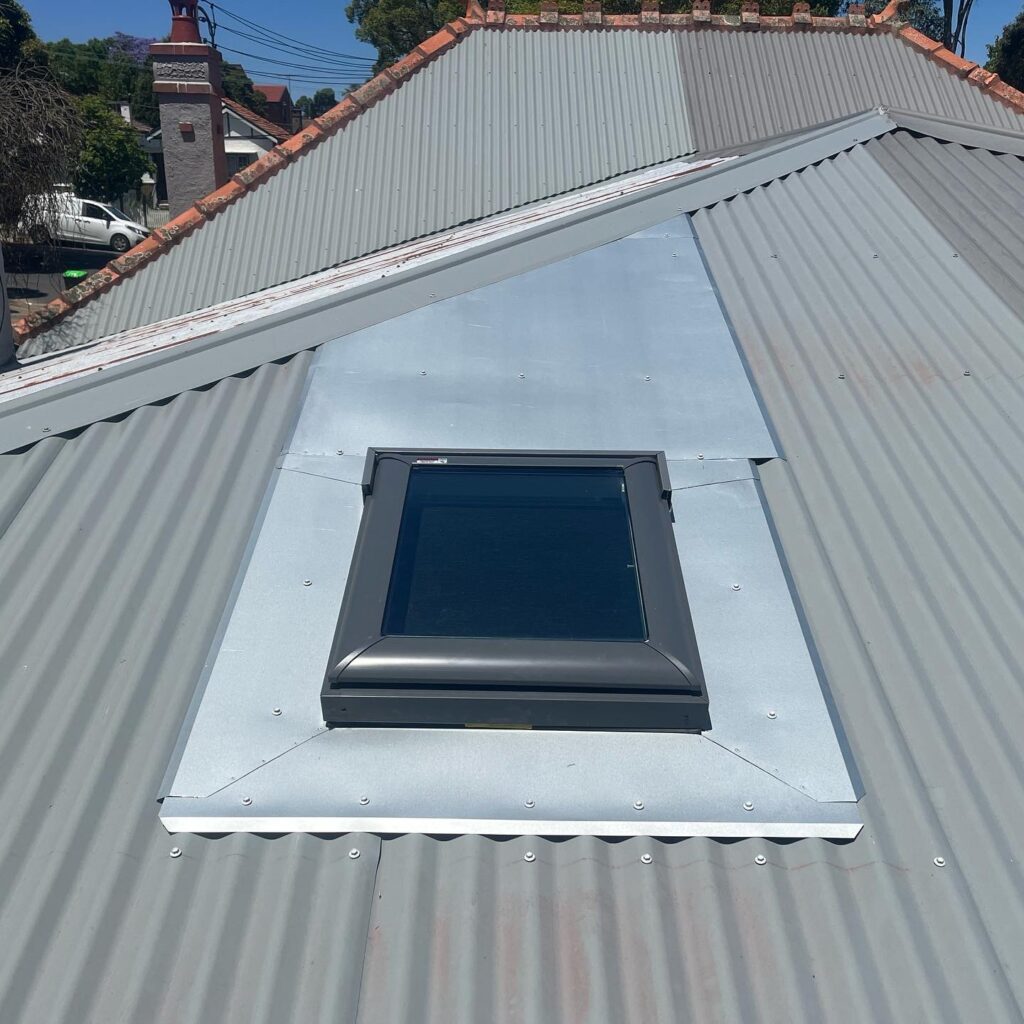
Re-roofing for a home revival
One leak or a few cracked tiles is a repair job. Replacement makes sense when the whole roof is wearing out, and each material shows it in its own way.
On an old metal roof, look for rust along the sheet overlaps and around the screws, and for rust coming through from underneath. Older galvanised iron roofs lose their zinc coating over the decades and then rust quickly. Once rust is showing across many sheets, patching sheet by sheet stops making sense.
Concrete tiles rely on a surface coating. As it wears away, the tiles soak up more water and moss takes hold. When tiles are cracking all over the roof and the battens underneath have gone soft, it’s time to replace.
Terracotta lasts a long time, but older tiles can start to crumble at the surface, and the mortar along the ridges and hips breaks down. The bigger problem on an old terracotta roof is often underneath: timber battens that have rotted, or no sarking at all, so the tiles alone are keeping the water out.
A roof that has been patched several times and still leaks in new places is usually due for replacement, whatever it’s made of.

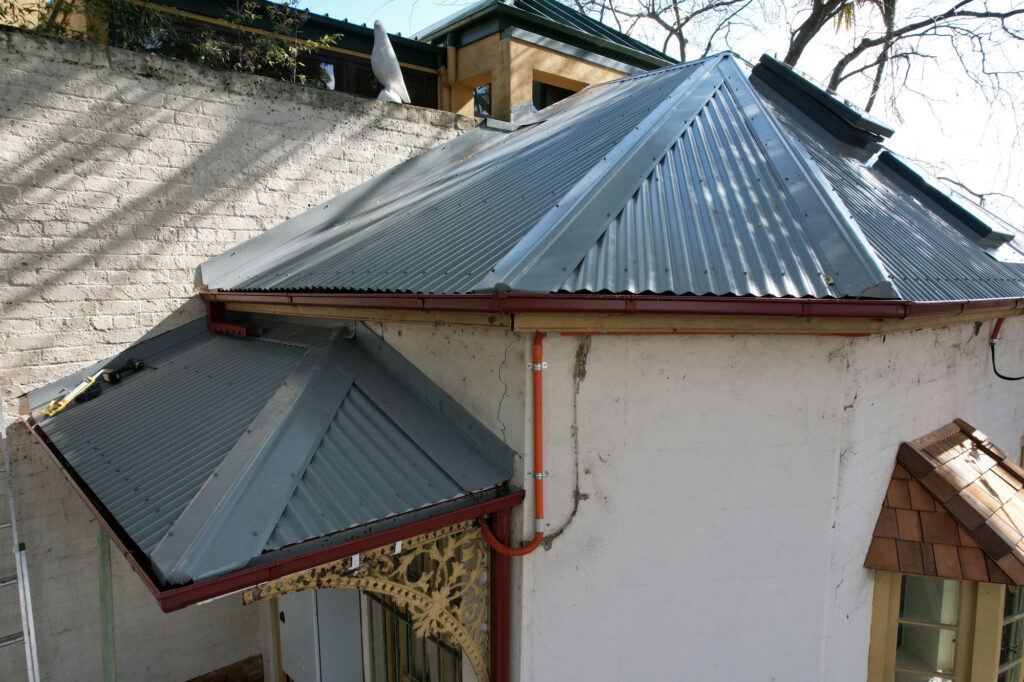
Metal roofing
Colorbond is BlueScope’s pre-painted roofing steel, and a common choice for Inner West re-roofs.
BlueScope makes Colorbond steel by adding a paint system over a Zincalume steel base, so the sheet has the metallic coating’s corrosion protection underneath and a coloured finish on top. Zincalume on its own is the unpainted, silver finish, which suits some older homes and extensions.
Steel sheeting is far lighter than tiles, which helps on older houses where the roof frame may be a century old. A metal roof is also laid in long sheets, so it has far fewer joins for water to find than a roof made up of thousands of tiles, and it sheds leaves and rain quickly.
Tile to metal
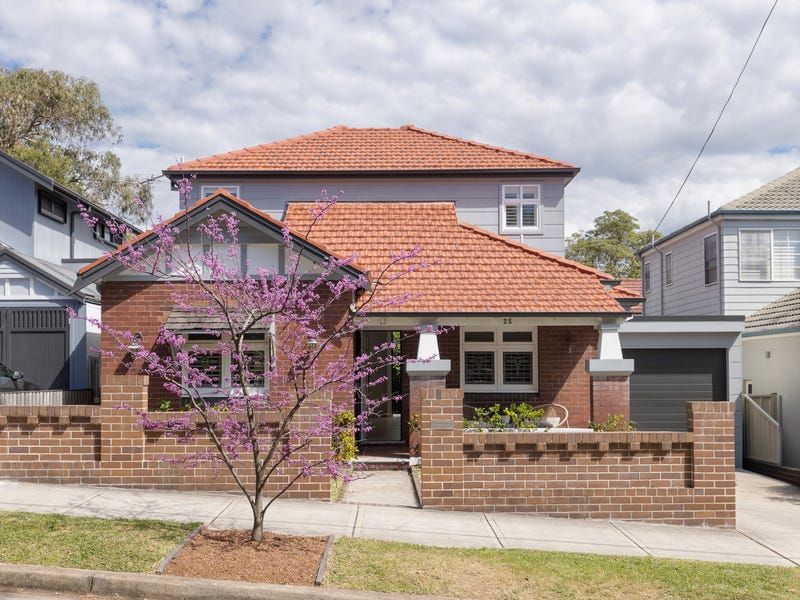
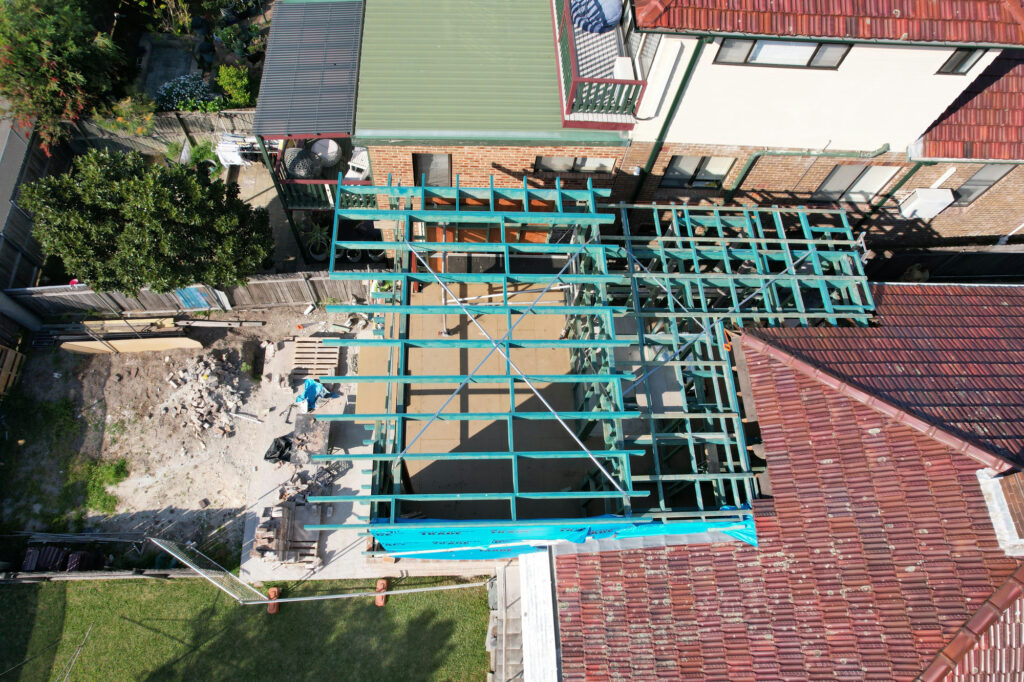
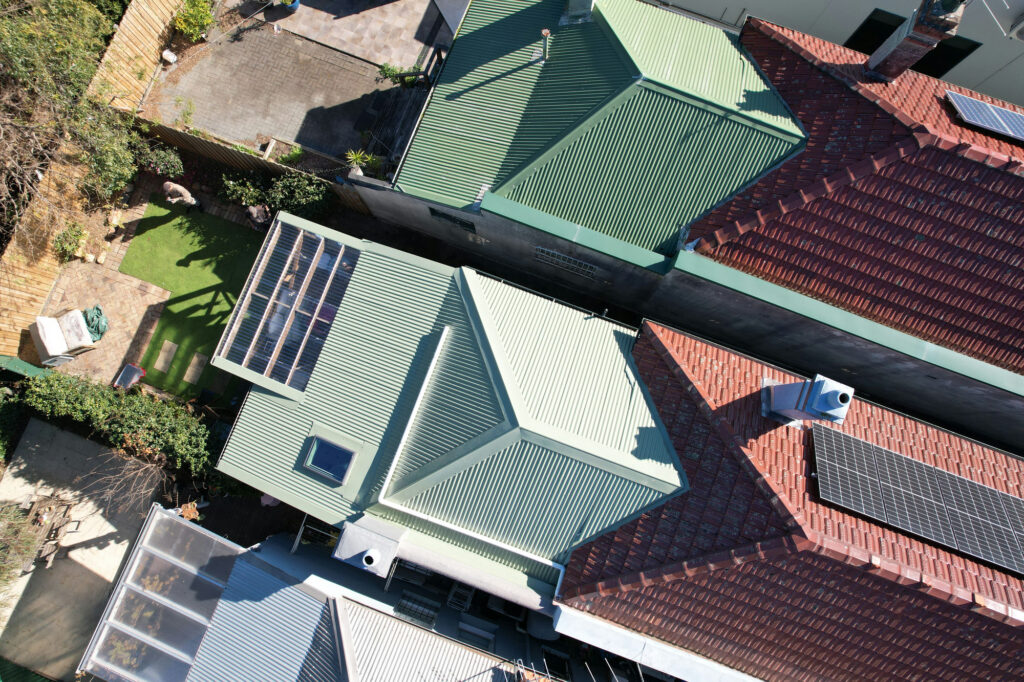
Swapping tiles for Colorbond changes more than what you see from the street.
The weight comes off first. Monier lists its Marseille terracotta tile at 47.25 kg per square metre of roof, and steel sheeting is a small fraction of that. On an older timber frame, taking that load off is a real benefit.
The battens change too. Tile battens are spaced to suit tiles, and metal sheets are fixed to a different layout, so on a conversion the old battens usually come off and new battens go on at the spacing the sheet needs. It’s also the time to add sarking or an insulation blanket if the roof never had one.
With the tiles off, the frame is fully exposed, which makes it the right time to fix any rot or sagging. If your house is in a heritage conservation area, check with council before committing to a change from tiles to metal, as the next section explains.
Rain is louder on steel than on tiles. An insulation blanket laid under the sheets deadens the noise and helps control condensation on the underside of the roof. Check whether your quote includes one.
Some older houses and outbuildings have corrugated fibro roofs, which can contain asbestos. SafeWork NSW allows bonded asbestos to be removed without a licence only where it doesn’t exceed 10 square metres in total, and a house roof is far larger than that. An asbestos cement roof has to come off with a licensed asbestos removalist before the new roof goes on. If you think your roof is fibro, tell us when you call.
Often, yes. A separate roof section, such as a rear skillion or the roof over an extension, can usually be replaced on its own. Where the new roof meets the old one, the join needs proper flashing, and we look at that when we quote.


